Posts by LoadCellShop Australia

Liquid Filled vs Dry Pressure Gauges: Which Should You Choose?

The difference between a liquid filled pressure gauge and a dry one comes down to what is inside the case. A liquid filled gauge has it...
Digital Pressure Gauges in Australia: Types, Accuracy and How to Choose
A digital pressure gauge replaces the pointer and dial of a traditional gauge with a sensor, a microprocessor and a liquid crystal disp...

Smart Load Cell Technology: 7 Powerful Benefits for Industrial Automation
Smart load cell technology is transforming industrial automation by enabling real-time weight monitoring, digital communication and adv...
Conveyor Belt Weighing with Load Cells
A belt scale load cell measures the material load carried by a conveyor belt through one or more instrumented idlers. The system combin...
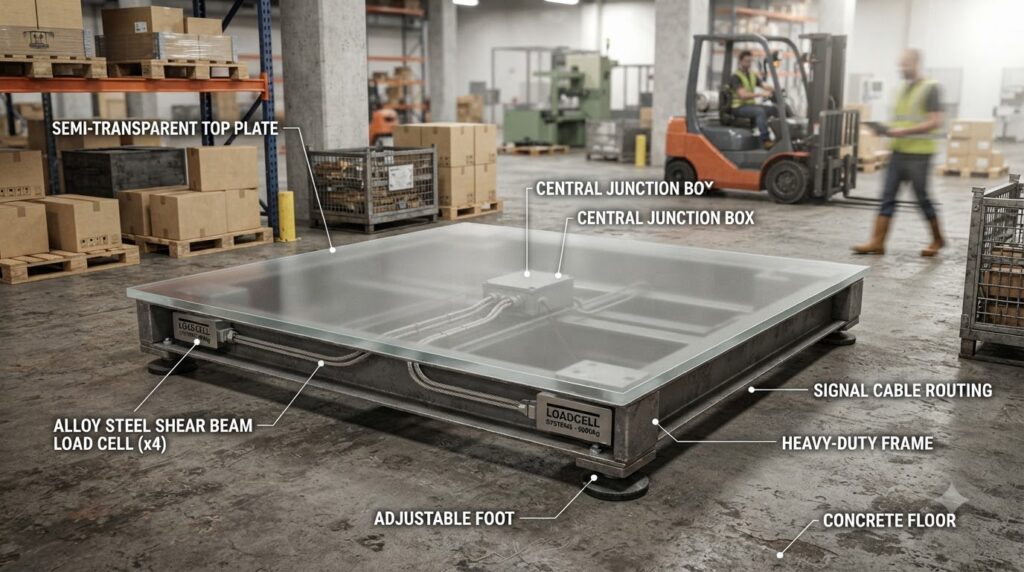
Load Cells for Bench and Platform Scales
The right load cell depends on the platform size, capacity, load distribution, accuracy requirements, and operating environment. A plat...
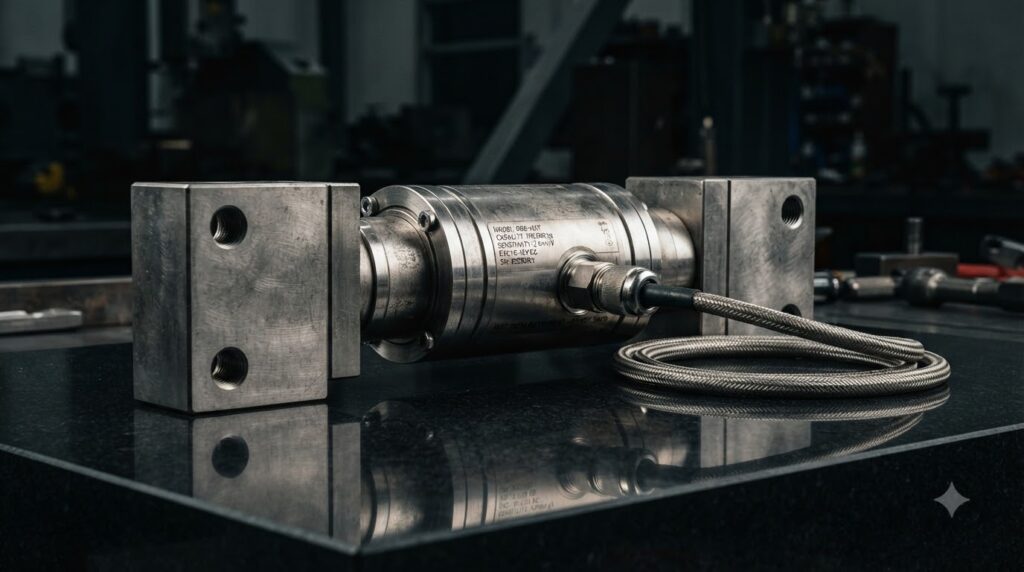
Load Cell Repair or Replace: How to Decide
A load cell should generally be repaired when the problem is limited to an external component, such as a damaged cable, connector, or c...
Digital and analogue load cells: Which Should You Choose?
Digital and analogue load cells both measure force or weight, but they differ in how the measurement signal is generated, processed, an...
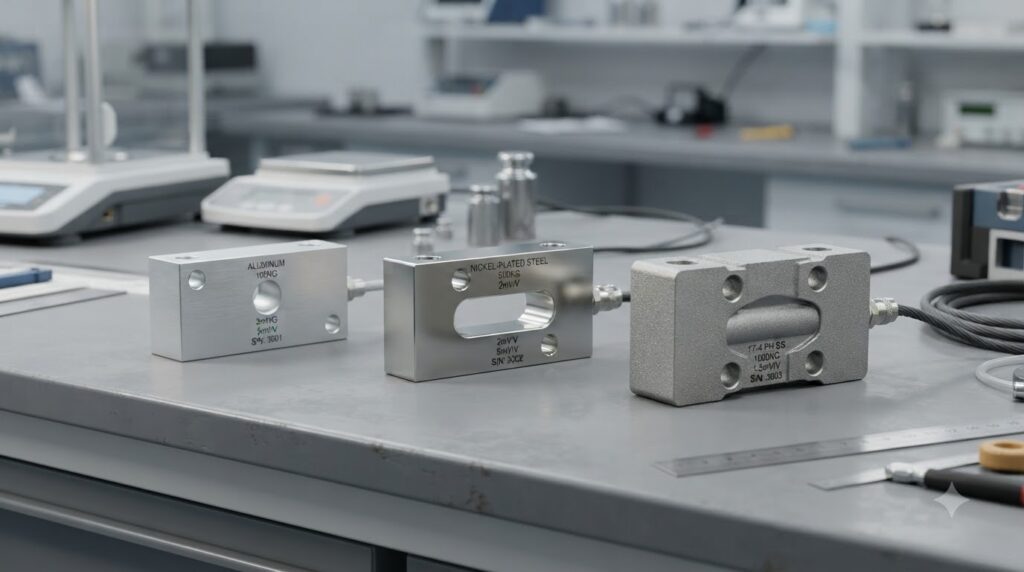
Load Cell Materials: Aluminium vs Alloy Steel vs Stainless Steel
The material used to manufacture a load cell affects its strength, durability, corrosion resistance, environmental suitability, weight,...
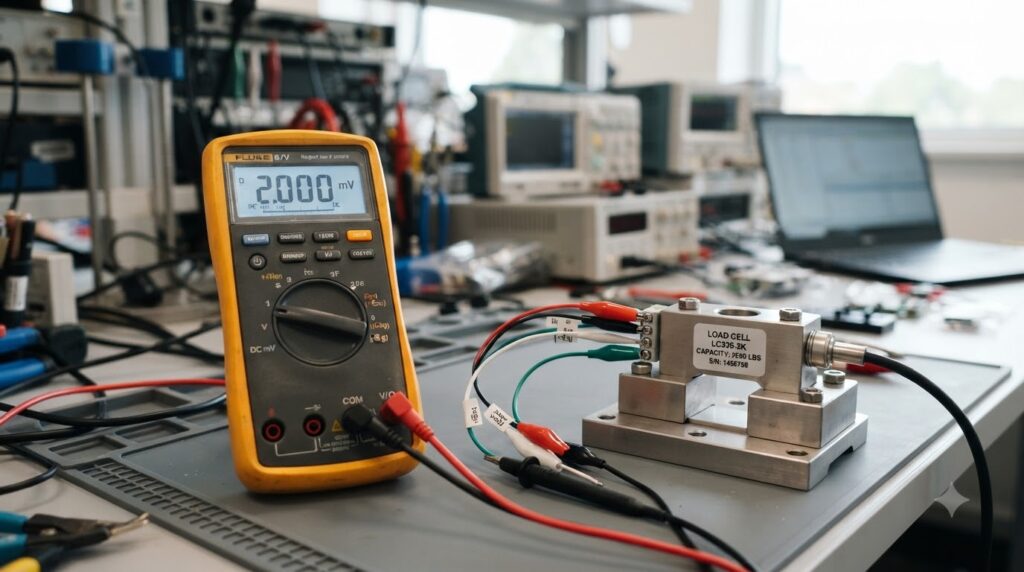
Load Cell Output Explained: mV/V, Excitation Voltage and Signal
A load cell typically produces a very small differential electrical signal specified in mV/V (millivolts per volt). This rating describ...
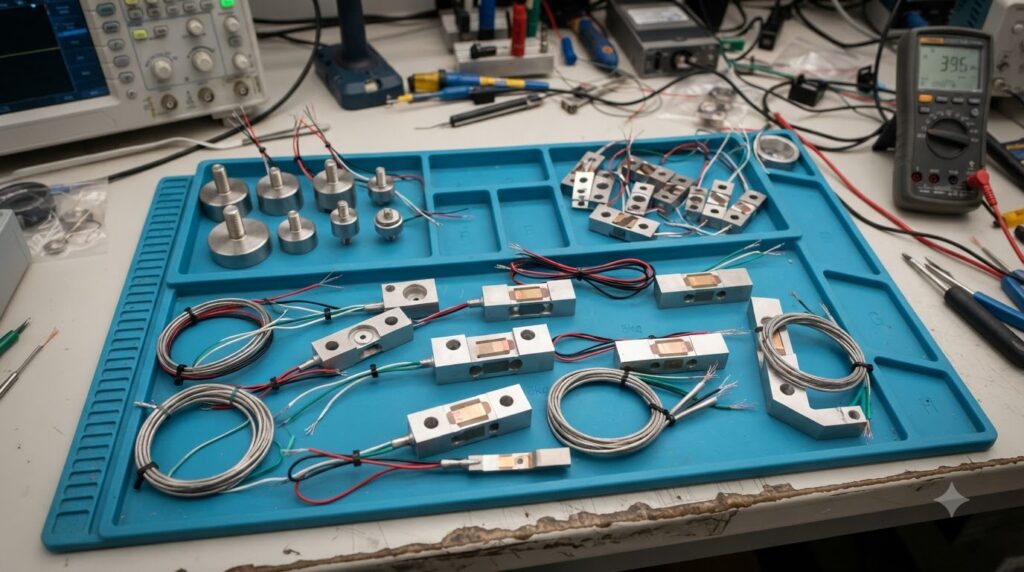
OEM Load Cell Solutions: Custom Design, Cross-Referencing and Integration
OEM load cell solutions are designed for integration into a manufacturer's equipment, weighing system, or industrial product.An OEM...