Posts by LoadCellShop Australia
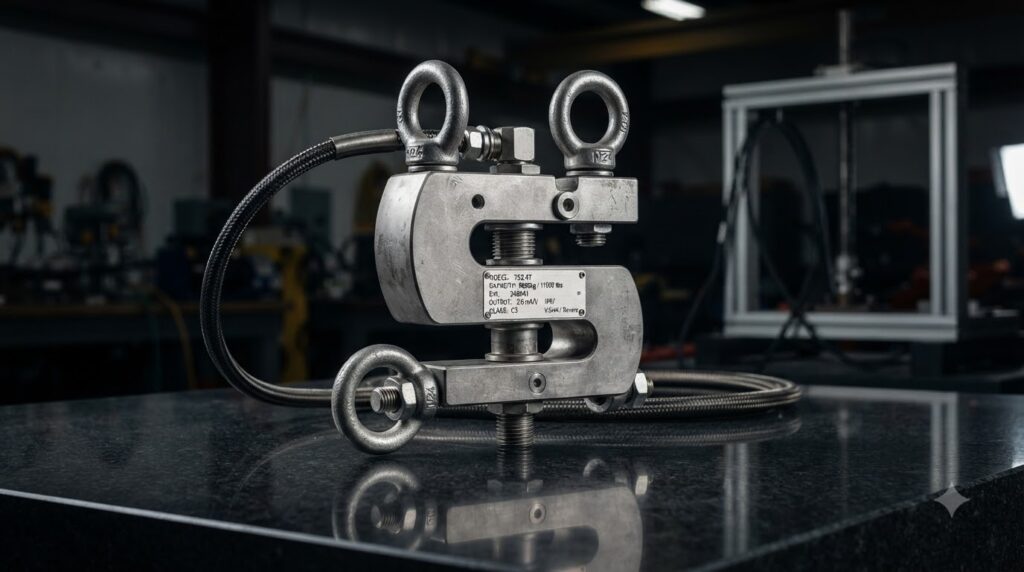
Tension Load Cells for Crane Scales and Lifting

A tension load cell measures tensile or pulling force and is widely used in crane scales, suspended weighing, lifting equipment, load m...

Weighbridge Load Cell: Types, Calibration and Replacement
A weighbridge load cell is a critical component of a truck weighing system, converting the weight of a vehicle and its load into an ele...

Load Cells in Batching & Filling Systems: Accurate Guide
Load cells provide accurate weight feedback in automated batching and filling equipment by continuously measuring the force produced by...
Buying Load Cells in Australia: Suppliers, Lead Times and What Drives Price
Buying a load cell in Australia involves more than comparing prices and capacities. The right sensor should match the weighing applicat...

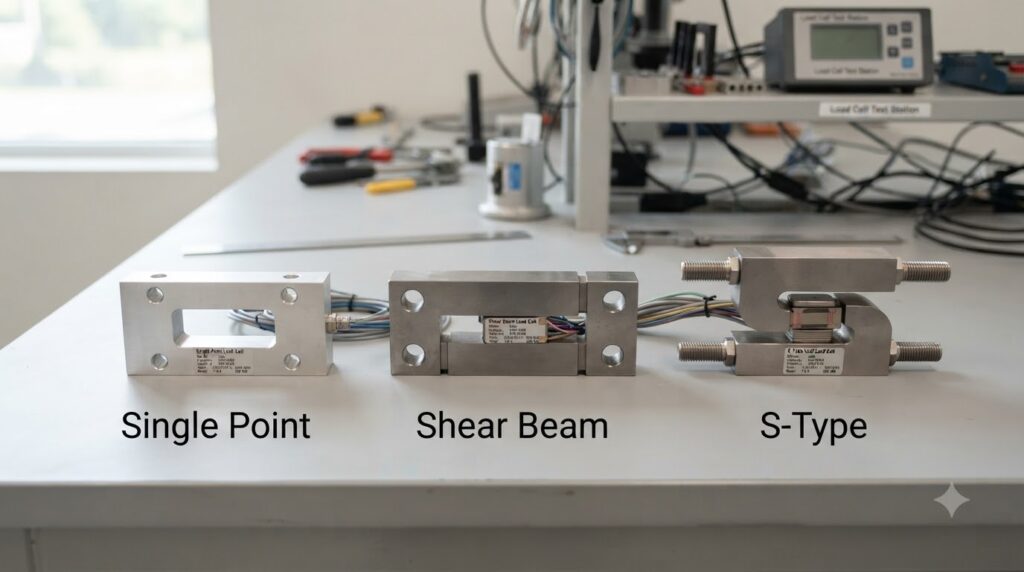
Single Point vs Shear Beam vs S-Type Load Cells
Different load cell designs are suited to different weighing and force-measurement applications. The most common types include single p...
Load Cell Accuracy Classes: C3, C6 & OIML R60
A load cell accuracy class indicates the measurement performance a sensor is designed to achieve under specified conditions. C3 and C6 ...
How to Choose the Right Load Cell: Capacity, Accuracy and Environment
Selecting the right load cell involves more than simply choosing a sensor based on weight capacity. The load cell must match the applic...
Load Cell Troubleshooting: 12 Common Problems and How to Fix Them
Load cells are essential components in weighing and force-measurement systems, but problems with the sensor, wiring, mounting, or surro...

Load Cell Installation and Mounting Guide
Correct load cell installation requires proper mounting, alignment, load direction, and mechanical restraint. Poor installation can cau...
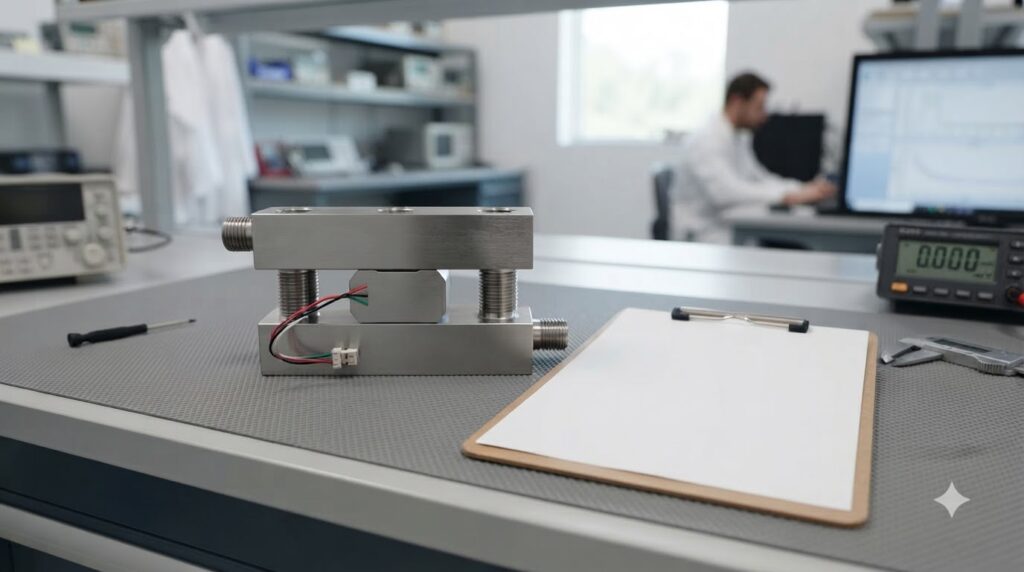
Load Cell Calibration: Step-by-Step Procedure and How Often to Do It
Load cell calibration compares the measured output against known reference loads to verify and, when necessary, adjust accuracy. Calibr...