Blog
Buying Load Cells in Australia: Suppliers, Lead Times and What Drives Price

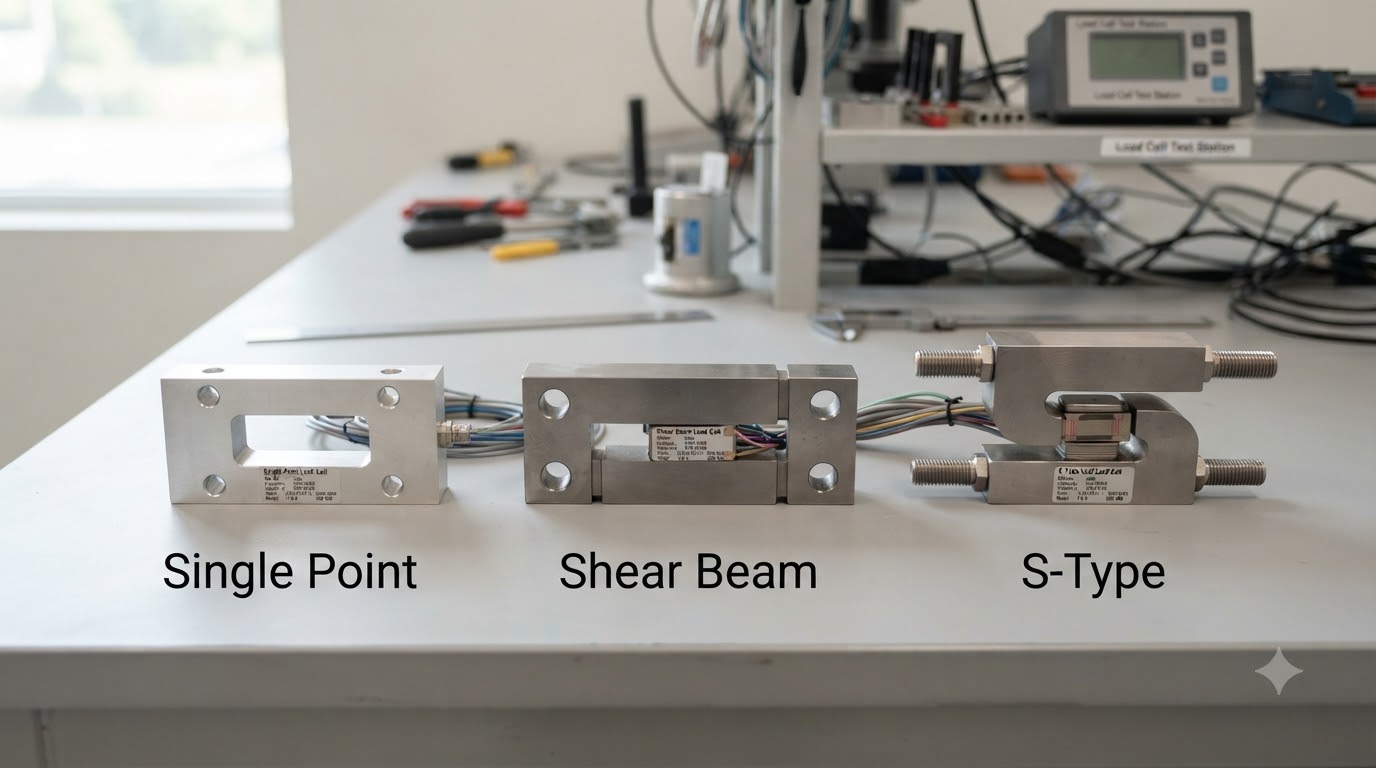
Buying a load cell in Australia involves more than comparing prices and capacities. The right sensor should match the weighing application, mechanical design, operating environment, accuracy requirements, and available support.
Australian buyers should consider the supplier’s technical expertise as well as the load cell type, capacity, accuracy, environmental protection, and overall cost. Availability and lead time are also important, particularly when a replacement sensor is needed quickly to minimise equipment downtime.
It is also worth checking whether the supplier can provide calibration assistance, technical guidance, installation support, and after-sales service. A suitable load cell should not only meet the immediate specification but also provide reliable performance throughout its intended application.
What Should You Look for in a Load Cell Supplier?
Choosing a reliable load cell supplier in Australia is just as important as selecting the sensor itself. A good supplier should offer a suitable product range, technical selection assistance, reliable availability, and ongoing support.
Product Range
A supplier should offer different load cell designs to suit a wide range of applications, including single-point, shear beam, S-type, compression, double-ended shear beam, and high-capacity load cells. Availability of mounting kits, accessories, junction boxes, and related weighing components can also make installation and replacement easier.
A broad product range allows buyers to select a sensor based on the actual application rather than being limited to one load cell design.
Engineering Selection Support
Load cell selection can involve more than matching the required capacity. Technical support can help with capacity calculations, accuracy requirements, mounting arrangements, environmental conditions, and electrical compatibility.
For replacement projects, a knowledgeable supplier can also help identify a suitable cross-reference or replacement load cell by comparing dimensions, capacity, output, wiring, mounting, and other specifications. This can help reduce the risk of selecting an incompatible sensor.
Australian Supply and Support
For Australian businesses, local supply and technical support can be valuable when equipment downtime needs to be minimised. Consider suppliers that can provide Australian delivery, reliable stock availability, technical assistance, calibration guidance, and replacement support.
A supplier that understands the application and remains available after the sale can provide more value than simply offering the lowest purchase price. The goal is to find a supplier that can support the load cell through selection, installation, calibration, replacement, and ongoing operation.
How Much Does a Load Cell Cost in Australia?
There is no single standard load cell price in Australia. Cost can range from a few hundred dollars for standard industrial sensors to several thousand dollars for specialised, high-capacity, high-accuracy, or custom load cells. Current Australian examples include standard models around A$129–A$720, while specialised industrial sensors can cost A$1,000–A$4,000+.
The final price depends on the load cell’s specification and the requirements of the application. A basic aluminium load cell for a platform scale will generally cost less than a stainless-steel, IP-rated, high-capacity sensor designed for harsh industrial conditions.
What Affects Load Cell Cost?
Capacity: Higher-capacity load cells generally require stronger materials and construction, which can increase the price.
Load cell type: Single-point, shear beam, S-type, compression, double-ended shear beam, and specialised designs have different manufacturing requirements and price ranges.
Accuracy class: Higher-performance load cells may cost more when tighter measurement performance, lower error, or higher verification capability is required.
Material and construction: Stainless-steel construction, particularly for demanding environments, can increase cost compared with standard aluminium or alloy-steel designs.
IP rating and sealing: Higher levels of sealing and protection can increase the price, especially for washdown, outdoor, or corrosive environments.
Temperature rating: Sensors designed to operate across wider or specialised temperature ranges may require additional compensation and construction features.
Cable and connectors: Custom cable lengths, specialised connectors, and additional protection can affect the final price.
Certifications: OIML or other application-specific certifications may increase cost where documented compliance and testing are required.
Customisation: Custom dimensions, mounting arrangements, outputs, materials, or performance specifications generally cost more than standard models.
Quantity: Purchasing multiple load cells for a weighing system or larger project may provide different unit pricing compared with buying a single sensor.
Brand: Established manufacturers may command a higher price because of manufacturing quality, documentation, certification, testing, and technical support.
Availability: In-stock Australian products can help reduce downtime and freight delays, while specialised or imported models may have longer lead times and additional costs.
When comparing load cell prices in Australia, it is important to compare the complete specification rather than choosing the cheapest sensor. Capacity, accuracy, construction, environmental protection, certification, availability, and technical support can all affect the overall value.
Typical Load Cell Price Factors by Type
Load cell pricing varies significantly within each category. The cost depends on the specific model, capacity, accuracy, construction, environmental protection, and application requirements, so one load cell type should not automatically be considered more expensive than another.
| Load Cell Type | Typical Application | Main Price Drivers |
|---|---|---|
| Single Point | Platform and bench scales | Capacity, accuracy, material, platform requirements |
| Shear Beam | Industrial weighing | Capacity, sealing, mounting system, material |
| S-Type | Tension/compression | Capacity, accuracy, certification, construction |
| Compression | Tanks and high-capacity weighing | Capacity, construction, protection, accuracy |
| Double-Ended Shear Beam | Heavy industrial weighing | Capacity, accuracy, mounting system, environmental protection |
How to Compare Prices
When comparing load cell prices, focus on the complete specification rather than the sensor type alone. Two load cells with the same capacity can have very different prices because of differences in accuracy, materials, sealing, certification, cable configuration, or availability.
For a fair comparison, check the capacity, accuracy, environmental rating, dimensions, mounting requirements, certifications, and included accessories. This helps ensure that the selected load cell provides the required performance without paying for specifications the application does not need.
Load Cell Lead Times in Australia
Load cell lead times in Australia depend on product availability, specifications, quantity, and the supplier’s supply chain. Standard models held in local stock are generally available faster than specialised or custom products.
What Determines Lead Time?
Key factors include local stock, manufacturer availability, product type, capacity, brand, custom specifications, quantity, certification requirements, and international supply chains. High-capacity, customised, or certified load cells may require additional manufacturing or import time.
In-Stock vs Special-Order Load Cells
In-stock load cells are already available and can usually be dispatched faster.
Special-order or custom load cells may need manufacturing or international sourcing, resulting in longer lead times.
How to Reduce Procurement Delays
- Confirm specifications before ordering.
- Provide the existing model number for replacements.
- Check current stock availability.
- Confirm the required quantity.
- Request quotations early for custom or OEM requirements.
Planning ahead helps avoid delays and ensures the correct load cell is available when required.
Can Load Cells From Different Brands Be Interchanged?
Load cells from different brands are not automatically interchangeable, even when they have the same capacity. A replacement must match the mechanical, electrical, and environmental requirements of the existing weighing system.
Before replacing a load cell, compare capacity, accuracy, dimensions, mounting holes, load direction, rated output, excitation voltage, resistance, cable configuration, connector, environmental rating, and calibration requirements.
A load cell with the correct capacity may still be unsuitable if its mounting dimensions, output signal, wiring, or mechanical characteristics are different.
How to Cross-Reference a Load Cell
When looking for a compatible replacement, provide as much information as possible, including:
- Manufacturer and model number
- Rated capacity
- Physical dimensions and mounting details
- Original datasheet
- Existing application
- Number of load cells in the system
- Indicator or amplifier model
This information allows a supplier or engineer to compare the original specifications with potential alternatives and determine whether the replacement can be used without compromising system performance.
Buying Load Cells Online vs From a Specialist Supplier
Load cells can be purchased online or directly from a specialist supplier. The best option depends on how straightforward the application is and how much technical assistance is required.
Buying Online
Buying load cells online is convenient, especially when the required model and specifications are already known. Online stores make it easy to compare products, check specifications, request quotations, and place orders quickly.
Advantages include:
- Convenient purchasing and product comparison
- Easy access to technical specifications
- Faster quotation and ordering
- Ability to compare capacities, types, and features
However, online purchasing can involve a higher risk of selecting the wrong specification when the application is not fully understood. Some products may also have limited installation or application support.
Buying From a Specialist Supplier
A specialist load cell supplier can provide more than just the sensor. They can help assess the application and recommend a suitable product based on capacity, accuracy, mounting, environment, and electrical requirements.
Key benefits include:
- Engineering and application guidance
- Load cell cross-referencing and replacement selection
- Mounting and installation advice
- Calibration support
- Technical troubleshooting
For standard replacements, online purchasing may be sufficient. For custom, high-capacity, complex, or critical weighing applications, working with a specialist supplier can help reduce selection errors and ensure better system performance.
Should You Buy a Standard or Custom Load Cell?
Choosing between a standard and custom load cell depends on the application, required specifications, installation constraints, and project quantity. Standard load cells are generally the simplest option when an existing product meets the application requirements, while custom load cells are useful when standard designs cannot provide the required performance or fit.
Standard Load Cells
Standard load cells are a good choice when the application matches an existing design. They are commonly available in established capacities, dimensions, materials, and configurations.
They are best suited when the required capacity is readily available, standard dimensions fit the equipment, and lead time is important. Standard products can also simplify replacement and procurement because specifications and technical documentation are already established.
Custom/OEM Load Cells
Custom or OEM load cells are useful when a standard model cannot meet the application’s requirements. They can be designed or modified to suit specific mechanical, electrical, or environmental conditions.
Custom solutions may be appropriate when existing dimensions must be maintained, a specialised capacity is required, environmental conditions are unusual, or a specific cable, connector, output, or mounting arrangement is needed. They can also be practical for OEM equipment and large-volume projects where consistent, application-specific sensors are required.
Custom load cells may involve longer development and manufacturing lead times, so requirements should be discussed with the supplier early in the project.
What About Load Cell Calibration in Australia?
Calibration should be considered when purchasing a load cell, particularly for applications where measurement accuracy, traceability, or compliance is important. The load cell is only one part of a weighing system, so calibration helps confirm its performance against known reference values.
Calibration Requirements
Depending on the application, you may require a calibration certificate showing the sensor’s measured performance and test conditions. Traceable calibration can provide documented confidence that the load cell has been tested against recognised measurement standards.
Periodic recalibration may also be recommended, especially where load cells operate continuously, experience harsh conditions, or are used in critical measurement applications.
Application-specific requirements should be considered before purchasing. Factors such as required accuracy, operating environment, loading conditions, and measurement frequency can influence calibration requirements.
For more information, see LCS-08: Load Cell Calibration.
Legal-for-Trade Considerations
If a weighing system is used for commercial transactions or other regulated purposes, additional legal-for-trade requirements may apply. These requirements can involve the complete weighing instrument, including the load cells, mounting system, indicator, software, and installation.
Important: Calibration of an individual load cell is not the same as approval or verification of a complete weighing instrument. A calibrated sensor does not automatically make the entire weighing system legally approved for trade.
When purchasing a load cell for a regulated application, confirm the applicable requirements and ensure the complete weighing instrument is appropriately approved and verified where required.
How to Choose the Right Load Cell Before Buying
Choosing the correct load cell requires more than matching the required capacity. The load direction, accuracy, environment, mechanical installation, and electrical compatibility should all be checked before purchasing.
For a more detailed guide, see LCS-11: How to Choose the Right Load Cell.
Application
Start by identifying what you are weighing or measuring and whether the load is static or dynamic. Tank weighing, platform scales, conveyor systems, force testing, and lifting applications may require different load cell designs.
Capacity
Determine the maximum working load, including the weight of the equipment or structure supported by the load cells. For systems using multiple load cells, consider how the load is distributed between them.
Also account for dynamic or shock forces, which can temporarily increase the load beyond the normal operating weight.
Accuracy
Define the required measurement accuracy and repeatability for the application. Where applicable, check whether an OIML classification or other performance requirement is needed.
Choosing a higher-accuracy load cell is not always necessary; the specification should match the actual requirements of the weighing system.
Environment
Consider whether the load cell will operate indoors or outdoors and whether it will be exposed to water, dust, chemicals, washdown conditions, or extreme temperatures.
The appropriate sealing, material, and environmental protection should be selected for the installation conditions.
Mechanical
Check the available mounting dimensions, load direction, mounting holes, and installation space. Consider potential side loads, misalignment, vibration, and other mechanical forces.
A suitable mounting kit or weighing assembly may also be required for reliable performance.
Electrical
Confirm the load cell’s mV/V output, excitation requirements, wiring configuration, and cable length. Check compatibility with the existing indicator, PLC, amplifier, or data-acquisition system.
Also verify whether the application requires a 4-wire or 6-wire connection and ensure the connector and wiring configuration are compatible.
Common Mistakes When Buying Load Cells
Choosing the right load cell requires more than comparing price and capacity. A mismatch in specifications can cause inaccurate measurements, installation problems, or premature sensor failure.
Choosing Based Only on Price
The cheapest load cell is not always the most cost-effective option. Accuracy, construction, environmental protection, availability, and technical support should also be considered.
Ignoring the Complete Load Calculation
The load calculation should include the maximum product load, dead load, number of load cells, load distribution, and dynamic or shock forces. Looking only at the normal operating weight can result in an underspecified sensor.
Buying the Wrong Capacity
Selecting a capacity that is too low can overload the load cell, while excessive capacity may reduce useful measurement resolution. Choose a capacity appropriate for the complete application and loading conditions.
Assuming Brands Are Interchangeable
Load cells with the same capacity may have different dimensions, output, resistance, wiring, mounting, and performance characteristics. Always cross-reference the complete specification before using another brand.
Ignoring Mounting Dimensions
The replacement load cell must physically fit the equipment. Check mounting holes, dimensions, load direction, installation space, and whether a mounting kit is required.
Not Checking Environmental Protection
Water, dust, chemicals, temperature, vibration, and outdoor exposure can affect sensor performance. Check the required IP rating, materials, sealing, and temperature range before buying.
Failing to Confirm Indicator Compatibility
Check the load cell’s mV/V output, excitation requirements, wiring, resistance, and cable configuration against the indicator, amplifier, PLC, or DAQ system.
Assuming an In-Stock Product Is Automatically Suitable
Fast availability does not mean the product is correct for the application. Confirm the technical specifications before choosing an in-stock alternative.
Not Considering Calibration
Calibration requirements should be considered before purchase, particularly for applications requiring documented accuracy or traceability. Replacement load cells may also require system calibration after installation.
Choosing a Custom Solution When a Standard Product Is Sufficient
Custom load cells can be useful for specialised applications, but they may involve higher costs and longer lead times. If a standard model meets the mechanical, electrical, and environmental requirements, it may be the more practical choice.
FAQs
Who supplies load cells in Australia?
Load cells are available from general industrial suppliers, specialist load cell suppliers, manufacturers, and distributors. When choosing a supplier, consider their product range, technical support, stock availability, application expertise, and ability to provide suitable replacements or cross-references.
A specialist supplier can also help with load cell selection, mounting requirements, compatibility, and technical troubleshooting.
How much does a load cell cost?
Load cell prices vary considerably depending on the capacity, type, accuracy, material, environmental protection, brand, certification, and application requirements. Standard industrial load cells are generally less expensive than specialised, high-capacity, custom, or certified models.
It is best to compare the complete specification rather than choosing a load cell based only on price.
What is the lead time on a load cell?
Lead time depends on whether the product is in stock, standard order, or custom/OEM. Stocked load cells can generally be dispatched faster, while standard-order products may require additional supply time. Custom and OEM load cells may require manufacturing and international sourcing, resulting in longer lead times.
Always confirm current availability and expected dispatch time before ordering.
Are load cells interchangeable between brands?
Not necessarily. Load cells from different brands must be checked for capacity, dimensions, mounting, load direction, rated output, accuracy, resistance, wiring, connector, environmental rating, and electrical compatibility.
Even if two load cells have the same capacity, they may not be suitable replacements. Always cross-reference the existing model and complete specifications before installation.
Final Takeaway
Buying the right load cell is about fit, performance, reliability, and support not simply price. A low-cost sensor may not provide the required accuracy, environmental protection, mechanical fit, or long-term performance for the application.
When comparing suppliers, consider more than product pricing. Look at product availability, technical and engineering assistance, lead times, calibration support, replacement expertise, and after-sales service. A specialist supplier can also help identify suitable alternatives when the original model is unavailable.
Before ordering, confirm the key technical requirements, including capacity, accuracy, load direction, environmental conditions, mounting dimensions, rated output, wiring, and compatibility with the indicator or measurement system.
For replacement applications, provide the existing manufacturer’s name, model number, capacity, datasheet, dimensions, and application details whenever possible. This makes cross-referencing easier and reduces the risk of purchasing an incompatible replacement.