Load Cell
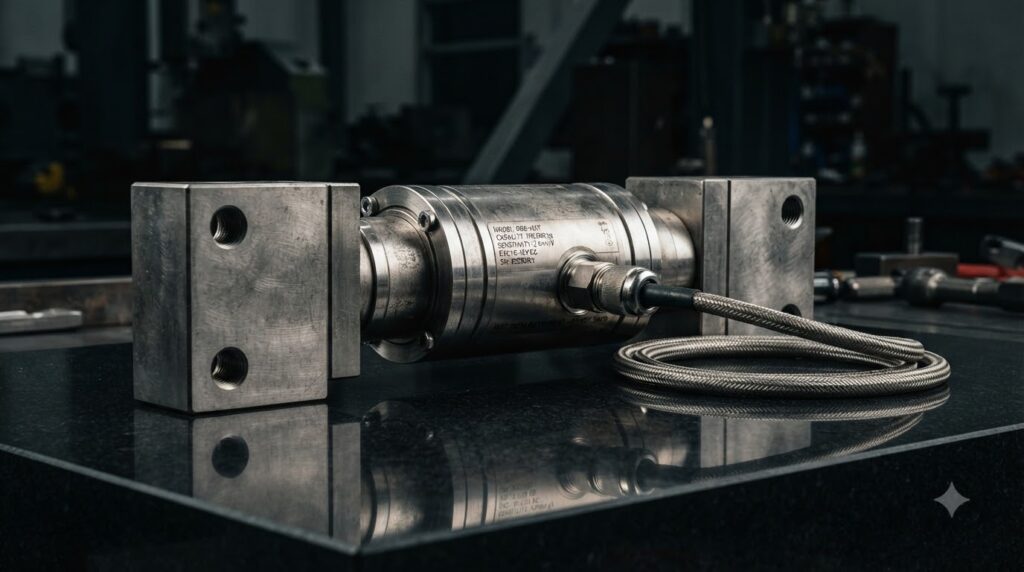
Load Cell Repair or Replace: How to Decide

A load cell should generally be repaired when the problem is limited to an external component, such as a damaged cable, connector, or c...

Digital and analogue load cells: Which Should You Choose?
Digital and analogue load cells both measure force or weight, but they differ in how the measurement signal is generated, processed, an...
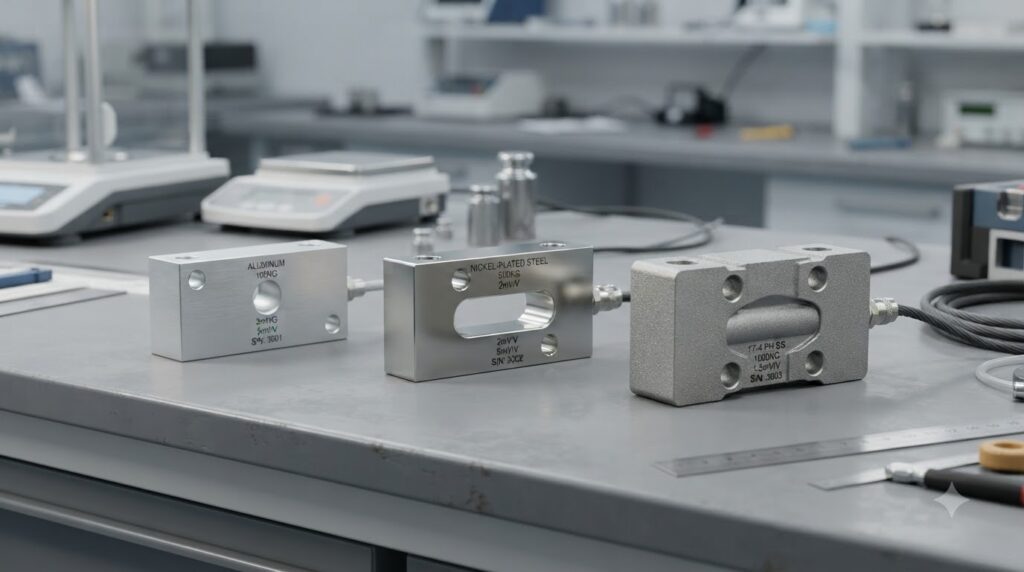
Load Cell Materials: Aluminium vs Alloy Steel vs Stainless Steel
The material used to manufacture a load cell affects its strength, durability, corrosion resistance, environmental suitability, weight,...
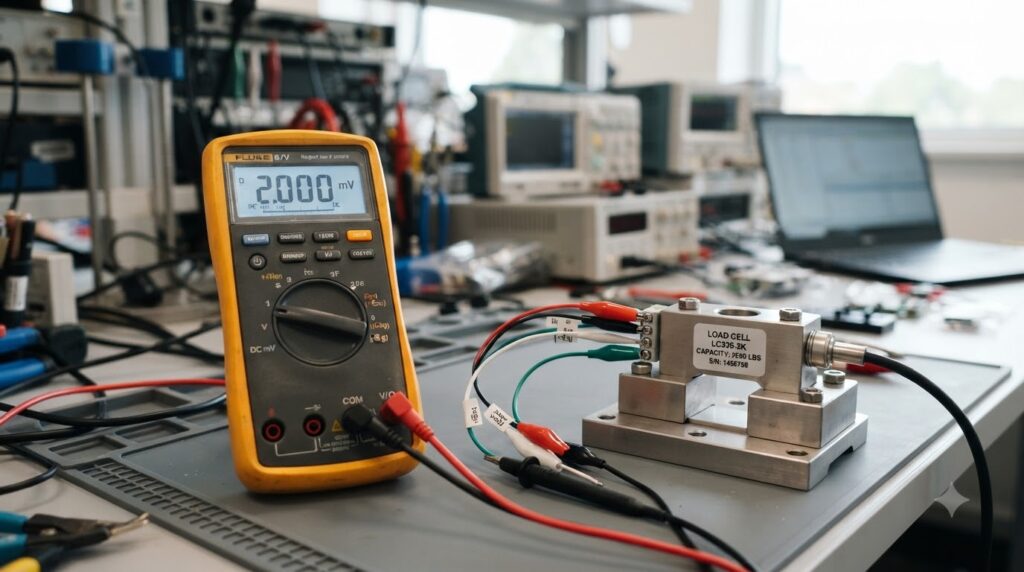
Load Cell Output Explained: mV/V, Excitation Voltage and Signal
A load cell typically produces a very small differential electrical signal specified in mV/V (millivolts per volt). This rating describ...
OEM Load Cell Solutions: Custom Design, Cross-Referencing and Integration
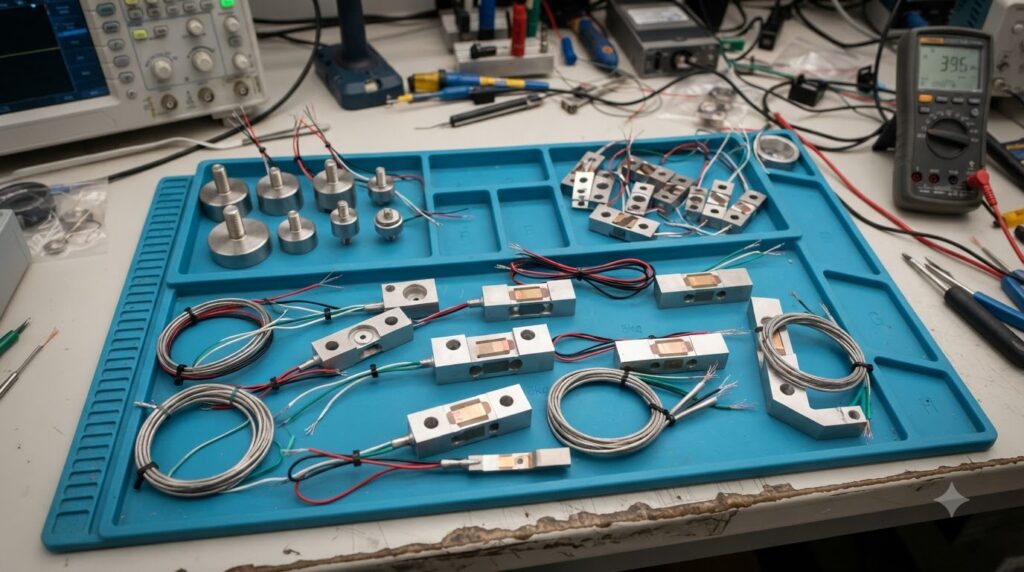
OEM load cell solutions are designed for integration into a manufacturer's equipment, weighing system, or industrial product.An OEM...
Tension Load Cells for Crane Scales and Lifting
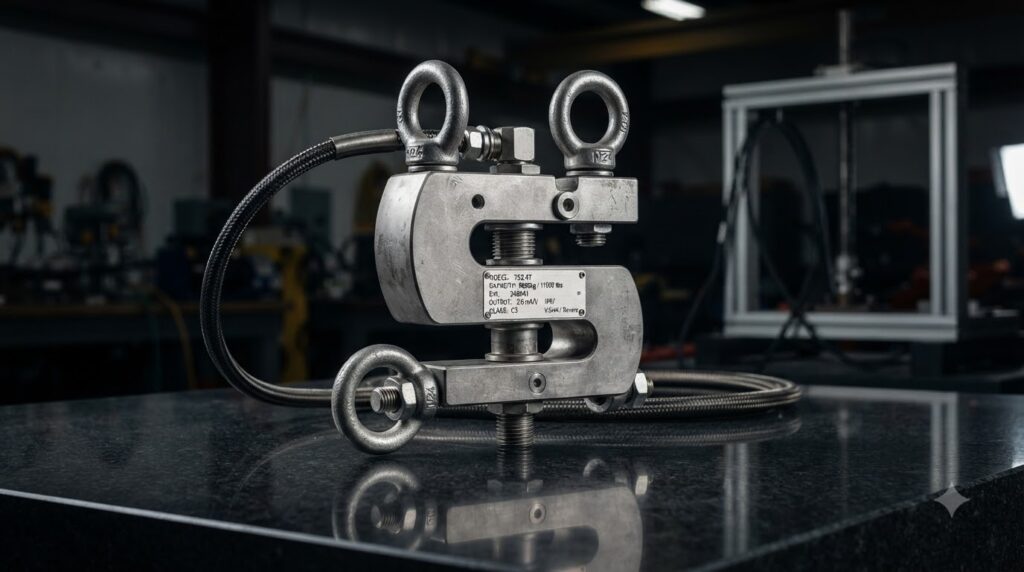
A tension load cell measures tensile or pulling force and is widely used in crane scales, suspended weighing, lifting equipment, load m...

Weighbridge Load Cell: Types, Calibration and Replacement
A weighbridge load cell is a critical component of a truck weighing system, converting the weight of a vehicle and its load into an ele...
Load Cells in Batching & Filling Systems: Accurate Guide
Load cells provide accurate weight feedback in automated batching and filling equipment by continuously measuring the force produced by...
Buying Load Cells in Australia: Suppliers, Lead Times and What Drives Price
Buying a load cell in Australia involves more than comparing prices and capacities. The right sensor should match the weighing applicat...

Single Point vs Shear Beam vs S-Type Load Cells
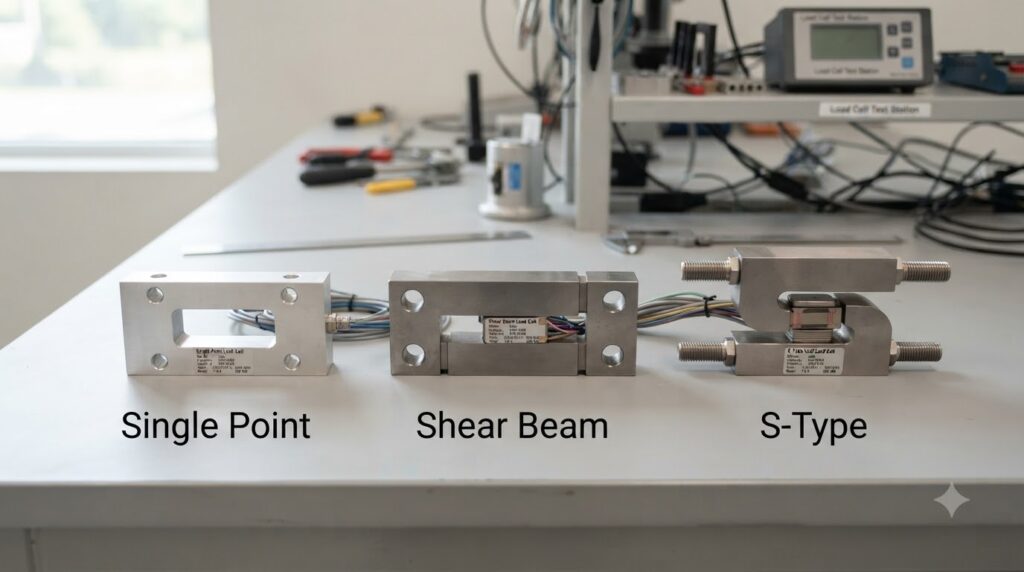
Different load cell designs are suited to different weighing and force-measurement applications. The most common types include single p...